Sinking Funds: The Quiet Trick That Makes Big Expenses Boring
Sinking funds turn irregular expenses into predictable monthly numbers. Here's how to set them up.
A sinking fund is just a savings bucket for a known future expense. Christmas, car insurance, an annual vet visit, a vacation. Divide the annual cost by 12, save that much every month, and the 'surprise' bill never surprises you again.
The five sinking funds almost everyone needs
1) Car (repairs, registration, tires). 2) Gifts and holidays. 3) Annual insurance premiums. 4) Travel. 5) Medical (co-pays, dental, prescriptions). Together these typically cover 80% of 'unexpected' expenses that wreck monthly budgets.
Where to keep them
Most online banks let you create sub-accounts inside one high-yield savings account. Use them. Naming the buckets is the entire psychological mechanism — you stop seeing one big number and start seeing labeled jobs.
- Sinking funds turn surprises into line items.
- Five buckets cover most 'unexpected' expenses.
- Use named sub-accounts in a high-yield savings account.
Go deeper with these
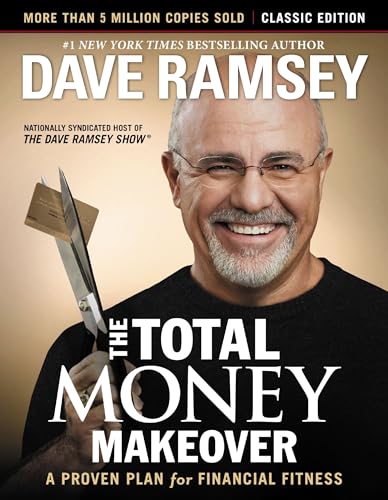
The Total Money Makeover
A step-by-step plan to crush debt, build an emergency fund, and stop living paycheck to paycheck.
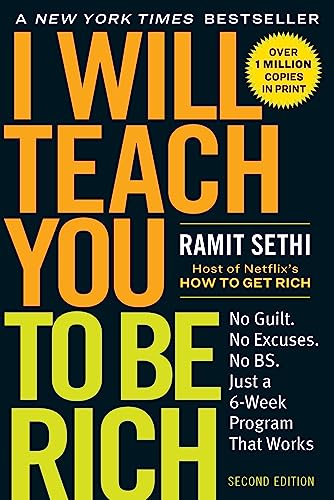
I Will Teach You to Be Rich
A six-week program for automating your finances, investing without anxiety, and spending guilt-free on what you love.
These are affiliate links. As an Amazon Associate we earn from qualifying purchases — at no extra cost to you.
More in Personal Finance Basics
How to Budget on a Low Income: A Beginner's Guide That Actually Works
A simple, no-shame budgeting framework for people earning less than they want to. Start with three categories and one rule.
The Best Books on Personal Finance for Young Adults (Ranked by What They Teach)
Five money books that punch hardest in your 20s and 30s — and the exact lesson each one delivers.
Simple Ways to Pay Off Credit Card Debt Fast (Without a Side Hustle)
Five mechanics — avalanche, snowball, balance transfers, hardship calls, and behavior locks — that compound into a fast payoff.