How to Budget on a Low Income: A Beginner's Guide That Actually Works
A simple, no-shame budgeting framework for people earning less than they want to. Start with three categories and one rule.
Most budgeting advice assumes you already have margin. When money is tight, every dollar feels spoken for before it arrives. The good news: a budget on a low income isn't about deprivation. It's about visibility. Once you can see where your money goes, small changes compound quickly.
Start with three buckets, not thirty
Forget 19-line spreadsheets. List your monthly take-home pay, then split spending into three buckets: needs (rent, utilities, groceries, transportation, minimum debt payments), wants (eating out, streaming, hobbies), and savings or debt payoff. The goal at low incomes is usually 80% needs / 10% wants / 10% savings — and it's okay if savings starts at $20.
The number doesn't matter as much as the habit. A consistent $20 a week builds the same self-trust as $200.
Audit a single week, not a whole life
Pull your last seven days of transactions. Highlight anything you'd happily skip if it meant an extra $40 in your account. There's almost always one or two recurring leaks — a duplicate subscription, a delivery-fee habit, an impulse buy — that quietly drain a low-income budget.
This is also where to renegotiate fixed costs: phone plans, insurance, internet. A 20-minute call can free up more cash than a month of cutting lattes.
Automate the one rule that matters
Pay yourself first, even if first is small. Set up an automatic transfer of a fixed amount to savings the same day your paycheck lands. When the money is gone before you see it, your budget self-corrects around what's left.
- Three buckets beat thirty line items at low incomes.
- Audit one week of spending to find your biggest leak.
- Automate a small, consistent transfer to savings — habit first, amount second.
Go deeper with these
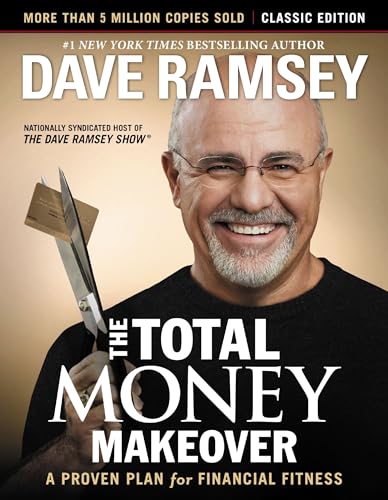
The Total Money Makeover
A step-by-step plan to crush debt, build an emergency fund, and stop living paycheck to paycheck.
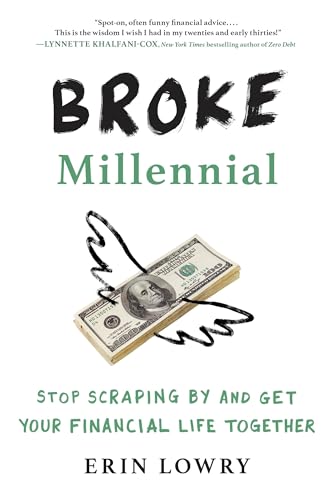
Broke Millennial
A funny, practical money guide for 20- and 30-somethings learning to adult financially.

The Richest Man in Babylon
Ancient parables that teach modern money truths: pay yourself first, control your expenses, make gold work for you.
These are affiliate links. As an Amazon Associate we earn from qualifying purchases — at no extra cost to you.
More in Personal Finance Basics
The Best Books on Personal Finance for Young Adults (Ranked by What They Teach)
Five money books that punch hardest in your 20s and 30s — and the exact lesson each one delivers.
Simple Ways to Pay Off Credit Card Debt Fast (Without a Side Hustle)
Five mechanics — avalanche, snowball, balance transfers, hardship calls, and behavior locks — that compound into a fast payoff.
How to Build an Emergency Fund on a Tight Budget (Even at $50 a Month)
A staircase approach to your first $1,000 — then $3,000 — then a full month of expenses, even when money is tight.