The Best Books on Personal Finance for Young Adults (Ranked by What They Teach)
Five money books that punch hardest in your 20s and 30s — and the exact lesson each one delivers.
Your first decade of real income is the most important. Compound interest rewards early starters disproportionately, and the habits you set in your 20s tend to follow you for life. These five books, read in order, are a complete personal-finance education for a young adult.
Start with mindset, not spreadsheets
The Psychology of Money by Morgan Housel and I Will Teach You to Be Rich by Ramit Sethi are the perfect one-two punch. Housel reframes how you think about wealth, risk, and patience. Sethi gives you the literal six-week automation system.
Learn the investing chassis once
The Simple Path to Wealth by JL Collins is the clearest, friendliest explanation of index investing ever written. Pair it with Broke Millennial by Erin Lowry, which translates retirement accounts, credit scores, and debt into language that doesn't make your eyes glaze over.
Then plant a long-term flag
Finally, The Millionaire Next Door by Stanley and Danko will quietly change how you see status, cars, and the people you compare yourself to. It's the antidote to lifestyle inflation in your 20s.
- Read mindset before mechanics — it sticks better that way.
- Index investing is the default; learn it once, use it forever.
- The Millionaire Next Door is the best lifestyle-inflation vaccine ever published.
Go deeper with these
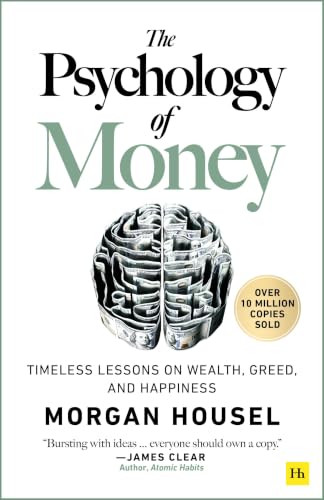
The Psychology of Money
Nineteen short stories about how people think about money — and why doing well with money has little to do with how smart you are.
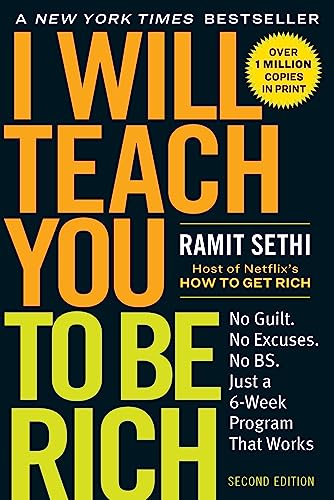
I Will Teach You to Be Rich
A six-week program for automating your finances, investing without anxiety, and spending guilt-free on what you love.
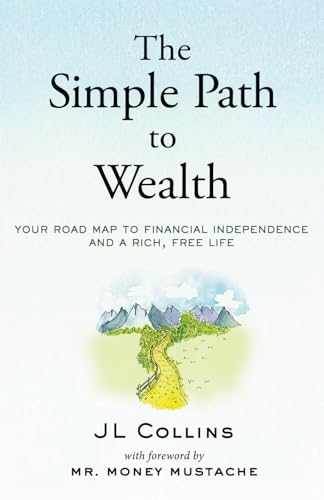
The Simple Path to Wealth
The clearest, friendliest case for low-cost index investing ever written. A modern classic.
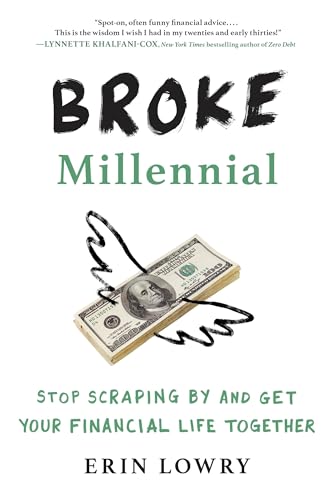
Broke Millennial
A funny, practical money guide for 20- and 30-somethings learning to adult financially.
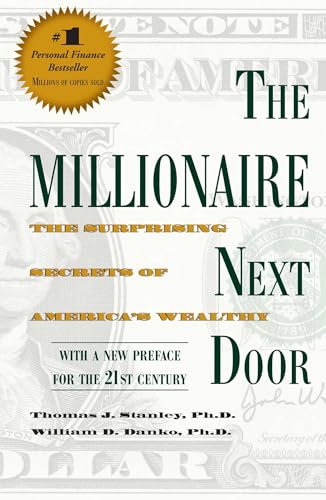
The Millionaire Next Door
The surprising habits of America's wealthy — most of whom drive used cars and live well below their means.
These are affiliate links. As an Amazon Associate we earn from qualifying purchases — at no extra cost to you.
More in Personal Finance Basics
How to Budget on a Low Income: A Beginner's Guide That Actually Works
A simple, no-shame budgeting framework for people earning less than they want to. Start with three categories and one rule.
Simple Ways to Pay Off Credit Card Debt Fast (Without a Side Hustle)
Five mechanics — avalanche, snowball, balance transfers, hardship calls, and behavior locks — that compound into a fast payoff.
How to Build an Emergency Fund on a Tight Budget (Even at $50 a Month)
A staircase approach to your first $1,000 — then $3,000 — then a full month of expenses, even when money is tight.