Simple Ways to Pay Off Credit Card Debt Fast (Without a Side Hustle)
Five mechanics — avalanche, snowball, balance transfers, hardship calls, and behavior locks — that compound into a fast payoff.
Credit-card interest is the single most expensive money in most people's lives. At 24% APR, every $1,000 of balance costs you about $240 a year just to maintain. The goal isn't to find one trick — it's to stack a handful of small ones until the balance bleeds out fast.
Pick avalanche or snowball — but actually pick
Avalanche (pay highest APR first) saves the most money mathematically. Snowball (pay smallest balance first) generates faster psychological wins. Either works. The wrong move is hovering between them and paying everything equally — that's how balances stick around for years.
Use the levers most people skip
Call your card issuer and ask for a lower APR. Roughly a third of people who ask get one — especially if you mention you're considering a balance transfer. A 0% balance transfer card can buy you 12–21 months of interest-free payoff, but only if you have a real plan to clear it before the promo ends.
If you're behind, ask about hardship programs. Most major issuers have them; few advertise them.
Lock the behavior that created the debt
Freeze the card in the back of a drawer. Remove it from your phone's saved payment methods. Move autopays for streaming and subscriptions onto a debit card. The math of payoff is easy; the math of payoff while still using the card is impossible.
- Avalanche or snowball — pick one and commit.
- Always ask for a lower APR. It's a free phone call.
- Remove the card from your phone. Friction is your friend.
Go deeper with these
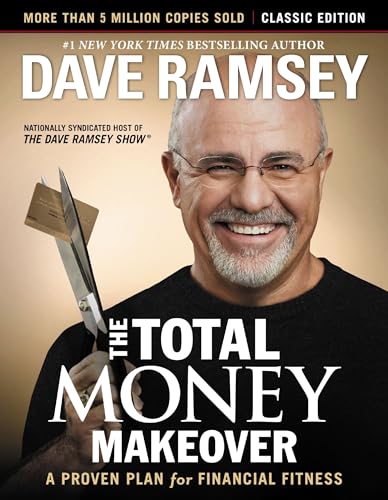
The Total Money Makeover
A step-by-step plan to crush debt, build an emergency fund, and stop living paycheck to paycheck.
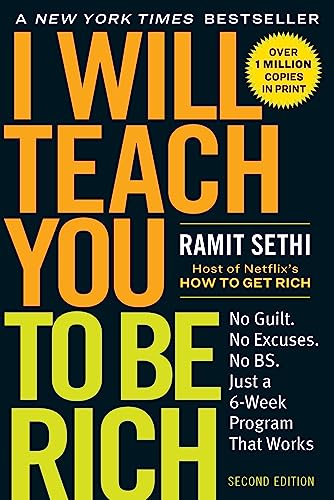
I Will Teach You to Be Rich
A six-week program for automating your finances, investing without anxiety, and spending guilt-free on what you love.
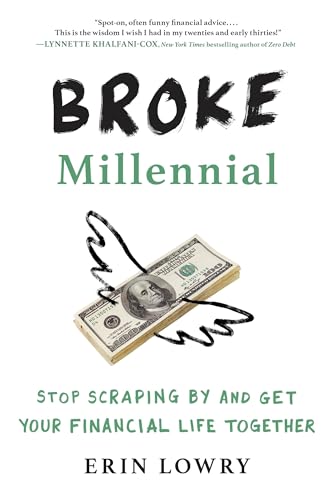
Broke Millennial
A funny, practical money guide for 20- and 30-somethings learning to adult financially.
These are affiliate links. As an Amazon Associate we earn from qualifying purchases — at no extra cost to you.
More in Personal Finance Basics
How to Budget on a Low Income: A Beginner's Guide That Actually Works
A simple, no-shame budgeting framework for people earning less than they want to. Start with three categories and one rule.
The Best Books on Personal Finance for Young Adults (Ranked by What They Teach)
Five money books that punch hardest in your 20s and 30s — and the exact lesson each one delivers.
How to Build an Emergency Fund on a Tight Budget (Even at $50 a Month)
A staircase approach to your first $1,000 — then $3,000 — then a full month of expenses, even when money is tight.