How to Build an Emergency Fund on a Tight Budget (Even at $50 a Month)
A staircase approach to your first $1,000 — then $3,000 — then a full month of expenses, even when money is tight.
When your budget is already tight, 'save three to six months of expenses' sounds insulting. So don't aim for that. Aim for $500. Then $1,000. Each level dramatically reduces the odds that a small surprise turns into new credit-card debt.
Use a separate account — and rename it
Open a high-yield savings account at a different bank from your checking. Out of sight is out of mind. Rename it something specific: 'Do Not Touch' or 'Tire / Vet / ER'. Naming an account changes how you treat it.
Stair-step the goal
$500 covers most car repairs. $1,000 covers most medical co-pays. $3,000 covers a job-loss month for many people. Hit each tier as its own win. Most people never get past zero because they're trying to leap straight to six months of expenses.
Find the $50 in places you're not looking
Round-up apps, tax-refund auto-deposit, a one-time sell-the-stuff weekend, and switching to a no-fee bank account can each add $50–$200. Stack two or three of those and your fund grows faster than your budget suggests.
- Open a separate, named high-yield savings account.
- Stair-step to $500 → $1,000 → $3,000 — don't aim for six months yet.
- Stack small wins (round-ups, tax refunds, fee-free banking) to find your $50.
Go deeper with these
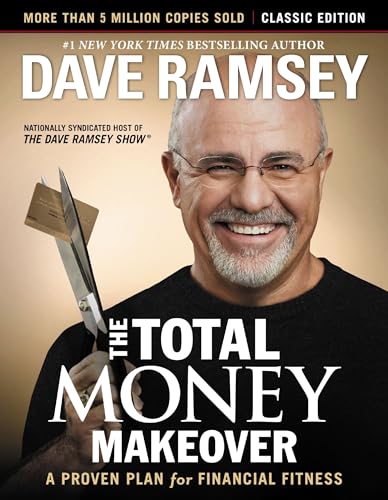
The Total Money Makeover
A step-by-step plan to crush debt, build an emergency fund, and stop living paycheck to paycheck.

The Richest Man in Babylon
Ancient parables that teach modern money truths: pay yourself first, control your expenses, make gold work for you.
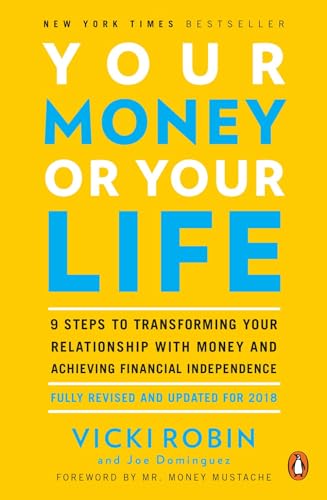
Your Money or Your Life
The original financial-independence manifesto. Calculate your real hourly wage and align spending with what actually matters.
These are affiliate links. As an Amazon Associate we earn from qualifying purchases — at no extra cost to you.
More in Personal Finance Basics
How to Budget on a Low Income: A Beginner's Guide That Actually Works
A simple, no-shame budgeting framework for people earning less than they want to. Start with three categories and one rule.
The Best Books on Personal Finance for Young Adults (Ranked by What They Teach)
Five money books that punch hardest in your 20s and 30s — and the exact lesson each one delivers.
Simple Ways to Pay Off Credit Card Debt Fast (Without a Side Hustle)
Five mechanics — avalanche, snowball, balance transfers, hardship calls, and behavior locks — that compound into a fast payoff.