Self-Custody Bitcoin: A Beginner's Wallet Guide
'Not your keys, not your coins.' Here's how to take real custody — without losing your Bitcoin in the process.
Self-custody means holding the cryptographic keys to your Bitcoin yourself, instead of trusting an exchange. It's the entire point of Bitcoin — but it also shifts every responsibility onto you. There's no customer service to call if you lose your seed phrase.
Hardware wallets are the standard
Ledger, Trezor, and Coldcard are the three most-trusted hardware wallets. They keep your private keys on a tamper-resistant chip that never touches the internet. For amounts above a few thousand dollars, this is the default.
Your seed phrase is everything
When you set up a wallet, you'll get a 12- or 24-word recovery phrase. That phrase IS your wallet. Write it on paper or stamped metal. Store it in two physical locations. Never type it into anything online. Never photograph it. Never share it.
Practice with small amounts first
Before moving meaningful Bitcoin to a new wallet, do a $20 test transaction, then practice recovering the wallet from your seed phrase on a different device. If you can't do that successfully, you're not ready to self-custody real money.
- Hardware wallets keep keys offline. Use one for serious amounts.
- Your seed phrase is your wallet. Treat it accordingly.
- Practice with $20 before moving real money.
Go deeper with these
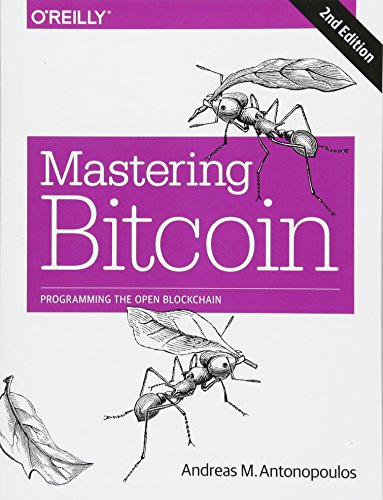
Mastering Bitcoin
The technical deep dive — how Bitcoin actually works, written for curious humans (not just engineers).
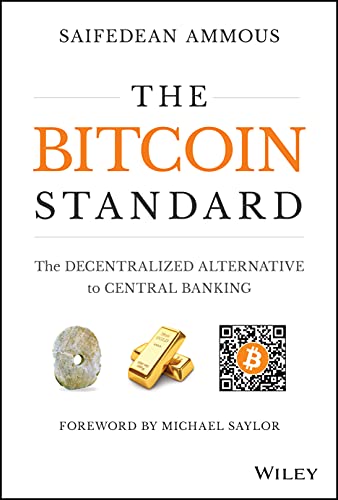
The Bitcoin Standard
The definitive book on why Bitcoin matters, told through the 5,000-year history of money.
These are affiliate links. As an Amazon Associate we earn from qualifying purchases — at no extra cost to you.
More in Bitcoin & Digital Assets
How to Invest in Bitcoin Safely for Beginners
The five rules that separate beginners who do well in Bitcoin from beginners who get burned.
Is Bitcoin a Good Long-Term Investment in 2026?
Spot ETFs, sovereign adoption, and the supply math have changed the conversation. Here's the honest case for and against.
How Much Bitcoin Should I Own in My Portfolio?
From 0% to 5% to all-in maximalist — here's how to think about position sizing without copying anyone else.