Is Bitcoin a Good Long-Term Investment in 2026?
Spot ETFs, sovereign adoption, and the supply math have changed the conversation. Here's the honest case for and against.
Bitcoin in 2026 is a very different asset than Bitcoin in 2016. Spot Bitcoin ETFs now hold hundreds of billions of dollars. Several public companies and a handful of countries hold it on their balance sheets. The 'is this real?' debate is largely over. The 'should I own some?' question, however, is very much still alive.
The bull case
Fixed supply (21 million ever). Demonstrated 15-year survival through multiple severe drawdowns. Institutional adoption via ETFs has fundamentally changed the demand side. For an investor with a 10-year horizon, even a small allocation has historically dominated portfolio returns.
The bear case
Bitcoin still has 50–80% drawdowns inside cycles. Regulatory and tax treatment can change. Energy debates aren't fully resolved. Most importantly: past returns are not predictive — the next 15 years almost certainly won't look like the last 15.
The sensible middle
Most financial advisors who recommend any Bitcoin exposure suggest 1–5% of a long-term portfolio. That's small enough to barely matter if it goes to zero, and meaningful enough to materially change returns if Bitcoin continues its long-term trajectory.
- ETFs and institutional adoption are the biggest structural change.
- Drawdowns of 50–80% inside cycles are still normal.
- 1–5% of a long-term portfolio is the sensible advisor consensus.
Go deeper with these
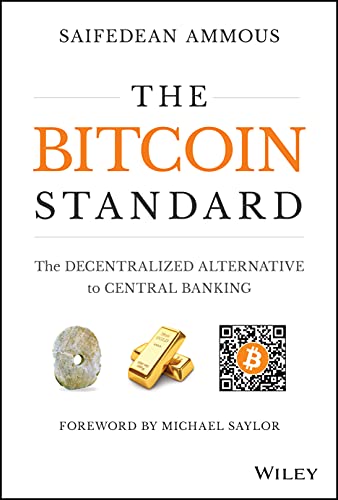
The Bitcoin Standard
The definitive book on why Bitcoin matters, told through the 5,000-year history of money.
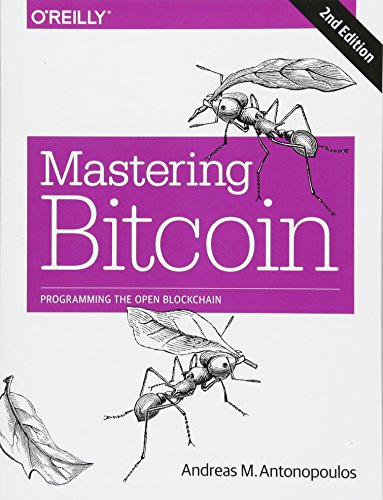
Mastering Bitcoin
The technical deep dive — how Bitcoin actually works, written for curious humans (not just engineers).
These are affiliate links. As an Amazon Associate we earn from qualifying purchases — at no extra cost to you.
More in Bitcoin & Digital Assets
How to Invest in Bitcoin Safely for Beginners
The five rules that separate beginners who do well in Bitcoin from beginners who get burned.
How Much Bitcoin Should I Own in My Portfolio?
From 0% to 5% to all-in maximalist — here's how to think about position sizing without copying anyone else.
Bitcoin vs. Gold: Which Is the Better Store of Value?
Two scarcity assets. Two different track records. Two very different roles in a portfolio.