How Much Bitcoin Should I Own in My Portfolio?
From 0% to 5% to all-in maximalist — here's how to think about position sizing without copying anyone else.
The right Bitcoin allocation depends almost entirely on two things: your time horizon and your ability to emotionally survive a 70% drawdown without panic-selling. There is no universal correct number.
The 'sleep at night' test
Imagine your Bitcoin position dropping 70% tomorrow. Could you hold? Could you keep buying? If the answer is 'no,' your position is too large. Most beginners find their actual emotional limit is well below what they thought it would be.
Common allocation frameworks
Skeptic: 0–1% of net worth. Mainstream: 1–5%. Bitcoin-leaning: 5–15%. Conviction holder: 15–30%. Bitcoin maximalist: 30%+. Each is defensible for the right person — but only one of them is right for you.
How to ratchet up over time
Start low. Hold through one full 4-year cycle. Re-evaluate your allocation after you've personally experienced both a 70% drawdown and a recovery. Conviction earned through experience is worth far more than conviction borrowed from a podcast.
- There's no universal correct allocation.
- Use the 'survive a 70% drawdown' test.
- Start small. Earn your conviction through experience.
Go deeper with these
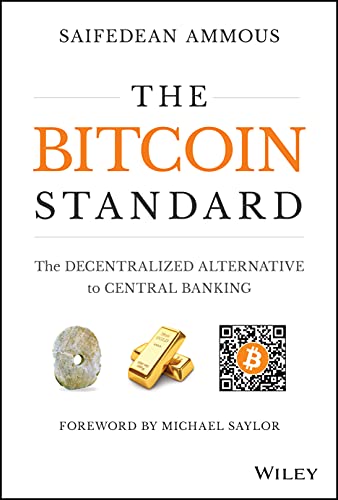
The Bitcoin Standard
The definitive book on why Bitcoin matters, told through the 5,000-year history of money.
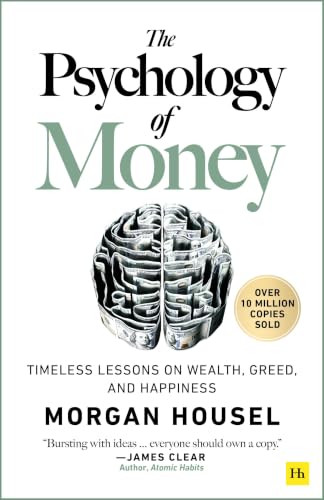
The Psychology of Money
Nineteen short stories about how people think about money — and why doing well with money has little to do with how smart you are.
These are affiliate links. As an Amazon Associate we earn from qualifying purchases — at no extra cost to you.
More in Bitcoin & Digital Assets
How to Invest in Bitcoin Safely for Beginners
The five rules that separate beginners who do well in Bitcoin from beginners who get burned.
Is Bitcoin a Good Long-Term Investment in 2026?
Spot ETFs, sovereign adoption, and the supply math have changed the conversation. Here's the honest case for and against.
Bitcoin vs. Gold: Which Is the Better Store of Value?
Two scarcity assets. Two different track records. Two very different roles in a portfolio.