How to Invest in Bitcoin Safely for Beginners
The five rules that separate beginners who do well in Bitcoin from beginners who get burned.
Bitcoin is the highest-returning asset of the past 15 years — and also one of the highest-volatility. Most beginners do badly not because Bitcoin failed, but because they violated a small set of rules. Internalize these five and you'll skip 90% of the avoidable mistakes.
Rule 1: Only invest what you can hold for 4+ years
Bitcoin's price moves in roughly 4-year cycles, anchored to its programmed supply 'halvings.' Inside a cycle, drawdowns of 50–80% are normal. The investors who do well are the ones who don't need the money for one full cycle.
Rule 2: Use a major regulated exchange
Coinbase, Kraken, and Strike are the three default beginner choices in the US. Each is publicly visible, US-regulated, and built for normal users. Avoid offshore exchanges and 'high-yield' Bitcoin services entirely.
Rule 3: Dollar-cost average
Pick an amount. Buy on the same day every week or month. Forget about price. This single rule outperforms 95% of attempts to time the Bitcoin market.
Rules 4 & 5: Self-custody large amounts. Never share your seed phrase.
Once you own more than a few thousand dollars, move it off the exchange to a hardware wallet (Ledger, Trezor, or Coldcard). Your 12- or 24-word recovery seed is the entire wallet. Never type it into anything online. Never send it to anyone. Ever.
- Bitcoin needs a 4+ year horizon — or don't buy.
- Use a major regulated exchange. Skip the exotic stuff.
- DCA beats timing for 95% of people.
- Self-custody once your stack is meaningful.
Go deeper with these
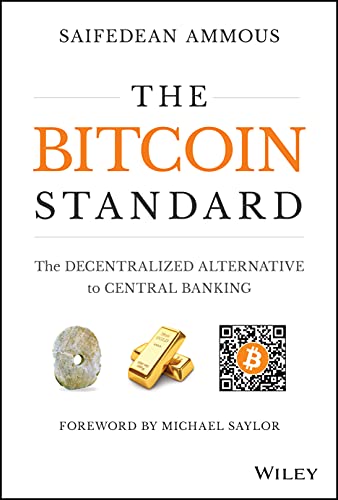
The Bitcoin Standard
The definitive book on why Bitcoin matters, told through the 5,000-year history of money.
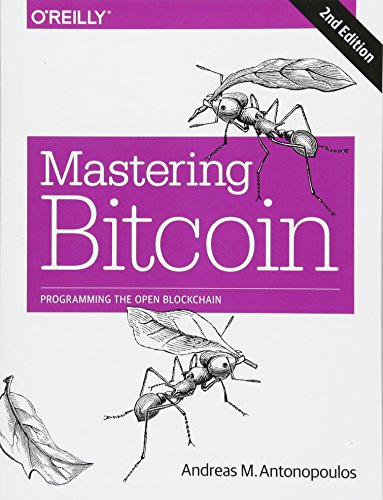
Mastering Bitcoin
The technical deep dive — how Bitcoin actually works, written for curious humans (not just engineers).
These are affiliate links. As an Amazon Associate we earn from qualifying purchases — at no extra cost to you.
More in Bitcoin & Digital Assets
Is Bitcoin a Good Long-Term Investment in 2026?
Spot ETFs, sovereign adoption, and the supply math have changed the conversation. Here's the honest case for and against.
How Much Bitcoin Should I Own in My Portfolio?
From 0% to 5% to all-in maximalist — here's how to think about position sizing without copying anyone else.
Bitcoin vs. Gold: Which Is the Better Store of Value?
Two scarcity assets. Two different track records. Two very different roles in a portfolio.