High-Yield Savings vs. Investing: Where Should Your Next Dollar Go?
A simple decision tree for whether your next dollar belongs in a HYSA, a 401(k), or a brokerage account.
High-yield savings accounts pay 4–5% in cash environments. The stock market historically averages 8–10% before inflation. So why hold cash at all? Because the right account isn't about the highest rate — it's about the right job for that dollar.
Cash is for jobs that need to be done in under three years
Emergency fund, down payment within a few years, planned car replacement — these belong in a high-yield savings account. The stock market is too volatile over short horizons; a 30% drawdown in the wrong year can derail a goal you can't postpone.
Investing is for jobs more than five years out
Retirement, financial independence, kids' college — anything five-plus years away should be invested. Time smooths volatility, and the gap between 4% and 8% compounds enormously over decades.
The simple priority order most people should follow
1) $1,000 starter emergency fund. 2) Capture full employer 401(k) match. 3) Pay off any debt above ~7% APR. 4) Build emergency fund to 3 months. 5) Max Roth IRA. 6) Back to 401(k) and taxable investing. Following this order, in roughly this sequence, is how most people quietly get wealthy.
- HYSA = under 3 years. Invest = over 5 years.
- Always grab the full 401(k) employer match first.
- The order matters more than the perfect optimization.
Go deeper with these
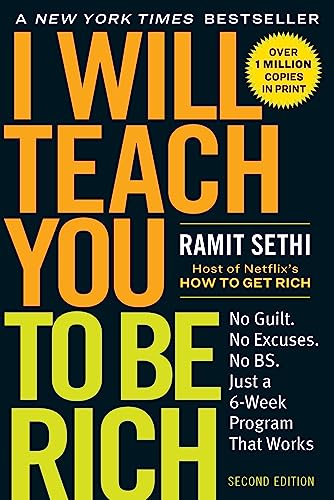
I Will Teach You to Be Rich
A six-week program for automating your finances, investing without anxiety, and spending guilt-free on what you love.
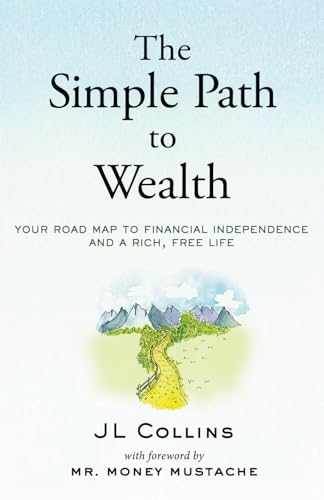
The Simple Path to Wealth
The clearest, friendliest case for low-cost index investing ever written. A modern classic.
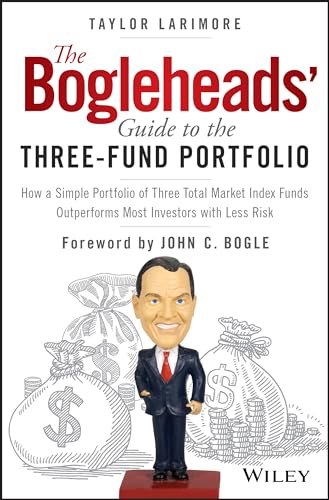
The Bogleheads' Guide to Investing
Straightforward, low-cost, long-term investing wisdom from the followers of Jack Bogle.
These are affiliate links. As an Amazon Associate we earn from qualifying purchases — at no extra cost to you.
More in Personal Finance Basics
How to Budget on a Low Income: A Beginner's Guide That Actually Works
A simple, no-shame budgeting framework for people earning less than they want to. Start with three categories and one rule.
The Best Books on Personal Finance for Young Adults (Ranked by What They Teach)
Five money books that punch hardest in your 20s and 30s — and the exact lesson each one delivers.
Simple Ways to Pay Off Credit Card Debt Fast (Without a Side Hustle)
Five mechanics — avalanche, snowball, balance transfers, hardship calls, and behavior locks — that compound into a fast payoff.