The 50/30/20 Budget Explained (And Where It Quietly Breaks)
Half your income to needs, 30% to wants, 20% to savings. It's a great starting point — and a bad ending point.
Senator Elizabeth Warren popularized the 50/30/20 rule in 'All Your Worth.' It's beautifully simple: 50% of take-home pay to needs, 30% to wants, 20% to savings or debt payoff. For someone who has never budgeted, it's a great first scaffold.
Why it works as a starting point
The rule replaces 30 categories with three. That radical simplification is the whole point — it gets people who hate budgeting to actually budget.
Where the rule breaks
In high cost-of-living cities, 'needs' often eat 60%+ before you've bought groceries. For high earners, 20% savings is far too low. And it lumps 'extra debt payoff' in with 'savings' as if both grow your net worth equally, which they don't.
How to evolve past it
Once 50/30/20 has trained the habit, replace it with a savings-rate target instead of a spending split. Most people aiming for early financial independence target 30–50% savings rates. The exact 'wants' percentage barely matters at that point.
- 50/30/20 is a great training-wheel budget.
- Replace it with a savings-rate target once you've built the habit.
- Debt payoff and saving aren't equivalent — track them separately.
Go deeper with these
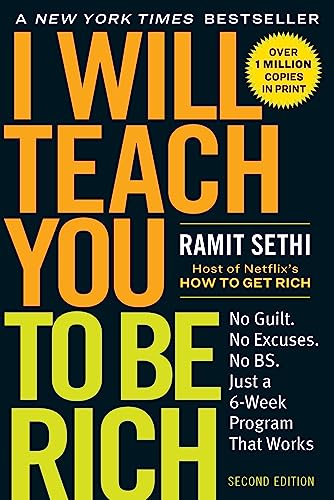
I Will Teach You to Be Rich
A six-week program for automating your finances, investing without anxiety, and spending guilt-free on what you love.

Set for Life
A young person's playbook for reaching financial freedom within a decade through frugality, income growth, and investing.
These are affiliate links. As an Amazon Associate we earn from qualifying purchases — at no extra cost to you.
More in Personal Finance Basics
How to Budget on a Low Income: A Beginner's Guide That Actually Works
A simple, no-shame budgeting framework for people earning less than they want to. Start with three categories and one rule.
The Best Books on Personal Finance for Young Adults (Ranked by What They Teach)
Five money books that punch hardest in your 20s and 30s — and the exact lesson each one delivers.
Simple Ways to Pay Off Credit Card Debt Fast (Without a Side Hustle)
Five mechanics — avalanche, snowball, balance transfers, hardship calls, and behavior locks — that compound into a fast payoff.