Taxable Brokerage vs. Retirement Accounts: When to Use Each
Retirement accounts get the tax breaks. Brokerage accounts get the flexibility. Most people need both.
401(k)s and IRAs offer enormous tax advantages but lock your money up until age 59½ (with exceptions). Taxable brokerage accounts have no contribution limits and no withdrawal restrictions — but you pay taxes every year on dividends and on gains when you sell.
The standard order of operations
1) 401(k) up to the employer match. 2) Max Roth IRA. 3) Max 401(k). 4) Then taxable brokerage. Taxable accounts are the right home for early-retirement bridge money, big-purchase savings beyond five years, or anything you might need before age 59½.
Tax efficiency inside a brokerage account
Use index funds and ETFs (low turnover = low taxes). Hold for over a year before selling to get the long-term capital gains rate. Harvest losses against gains at year-end.
- Retirement accounts first, brokerage last.
- Brokerage is the bridge to early retirement.
- Use ETFs and hold longer than a year for tax efficiency.
Go deeper with these
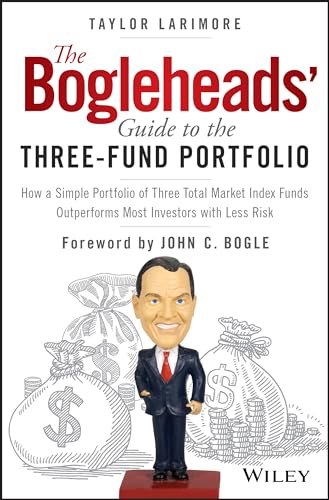
The Bogleheads' Guide to Investing
Straightforward, low-cost, long-term investing wisdom from the followers of Jack Bogle.

Financial Freedom
How the 'Millennial Millionaire' went from $2.26 in his account to financial independence in five years.
These are affiliate links. As an Amazon Associate we earn from qualifying purchases — at no extra cost to you.
More in Investing & Wealth Building
How to Start Investing With Little Money in Your 20s
You don't need $10,000 to start. You need $25, a Roth IRA, and a low-cost index fund. Here's the exact playbook.
The Best Index Funds for Long-Term Retirement Growth
Four funds — total US market, total international, total bond, and an all-in-one target date — cover 95% of real-world portfolios.
Best Dividend Stocks for Passive Income Beginners
Why a dividend ETF beats most hand-picked dividend portfolios — and how to build a simple income stream.