How to Start Investing With Little Money in Your 20s
You don't need $10,000 to start. You need $25, a Roth IRA, and a low-cost index fund. Here's the exact playbook.
Starting in your 20s is the single biggest investing advantage available to a human being. A 25-year-old who invests $200 a month for 40 years at a 9% average return ends up with more than $850,000. A 35-year-old who invests $400 a month for 30 years ends up with around $730,000. Time, not amount, is the engine.
Open a Roth IRA first
A Roth IRA is a retirement account where the money grows tax-free for life. In your 20s — when you're likely in a low tax bracket — it's almost mathematically optimal. Open one at Fidelity, Vanguard, or Schwab in about 10 minutes. There is no minimum to open.
Buy one fund and stop
Inside the Roth, buy a low-cost total-stock-market index fund (VTI/VTSAX) or a target-date retirement fund. That's it. Stop reading stock-picking newsletters. Stop comparing yourself to crypto Twitter. The boring index portfolio outperforms most professional fund managers over 20 years.
Automate $25–$100 a week
Set up an automatic weekly transfer. Start with whatever you can sustain forever, even if it's $25. Raise it every time you get a raise. The mechanics never need to get more complicated than this.
- Roth IRA in your 20s is nearly always the right starting account.
- One total-market index fund beats most stock-picking strategies.
- Automate small. Time does the heavy lifting, not amount.
Go deeper with these
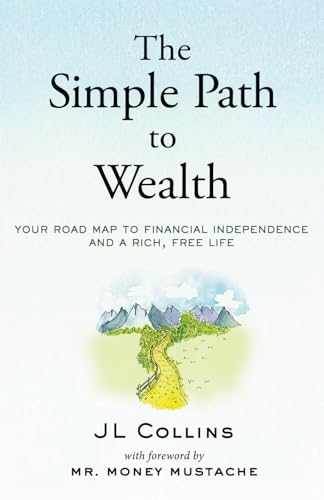
The Simple Path to Wealth
The clearest, friendliest case for low-cost index investing ever written. A modern classic.

The Little Book of Common Sense Investing
The founder of Vanguard makes the case for the index fund in under 300 pages. Required reading.
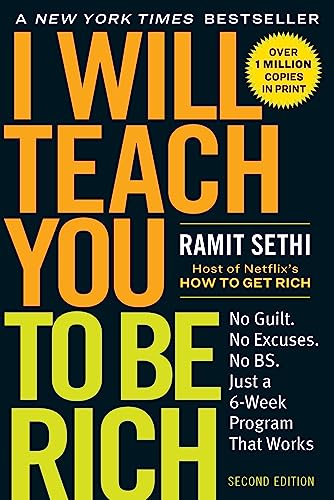
I Will Teach You to Be Rich
A six-week program for automating your finances, investing without anxiety, and spending guilt-free on what you love.
These are affiliate links. As an Amazon Associate we earn from qualifying purchases — at no extra cost to you.
More in Investing & Wealth Building
The Best Index Funds for Long-Term Retirement Growth
Four funds — total US market, total international, total bond, and an all-in-one target date — cover 95% of real-world portfolios.
Best Dividend Stocks for Passive Income Beginners
Why a dividend ETF beats most hand-picked dividend portfolios — and how to build a simple income stream.
Real Estate Investing for Beginners With No Money Down (What's Actually Possible)
House hacking, FHA loans, partners, and REITs — the four legitimate ways to start in real estate without big savings.