Best Dividend Stocks for Passive Income Beginners
Why a dividend ETF beats most hand-picked dividend portfolios — and how to build a simple income stream.
Dividend investing is intuitive: you own a piece of a company, and the company pays you cash for owning it. The problem is that beginners often chase the highest yields, which are usually the riskiest companies. The boring answer — a diversified dividend ETF — outperforms most hand-picked portfolios over a decade.
Start with one of three ETFs
SCHD (Schwab U.S. Dividend Equity), VYM (Vanguard High Dividend Yield), and DGRO (iShares Core Dividend Growth) are the three workhorses. Each owns 100+ dividend-paying companies, charges 0.06–0.08% per year, and pays quarterly.
How much income should you expect?
A typical dividend ETF yields 3–4% per year. On a $10,000 portfolio that's $300–$400 in annual dividends — meaningful but not life-changing. The real magic is reinvesting those dividends for 15–25 years, which dramatically accelerates compounding.
Be skeptical of 8%+ yields
Yields above 8% almost always mean the market is pricing in trouble. The high-yield trap has burned more dividend investors than any other single mistake. Stick to ETFs, or to the well-known 'dividend aristocrats' if you must pick individual companies.
- SCHD, VYM, and DGRO are the beginner workhorses.
- Reinvest dividends. The compounding takes years to look exciting.
- Yields over 8% are usually warning signs, not opportunities.
Go deeper with these
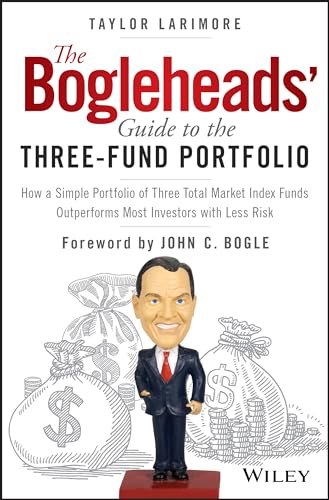
The Bogleheads' Guide to Investing
Straightforward, low-cost, long-term investing wisdom from the followers of Jack Bogle.
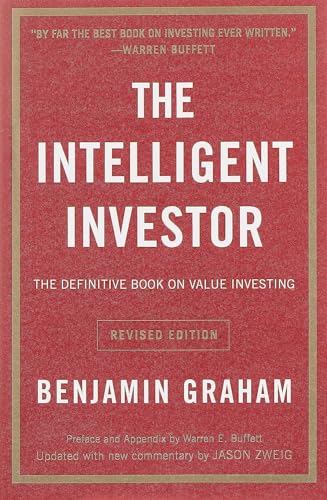
The Intelligent Investor
Warren Buffett calls this 'by far the best book on investing ever written.' The bible of value investing.
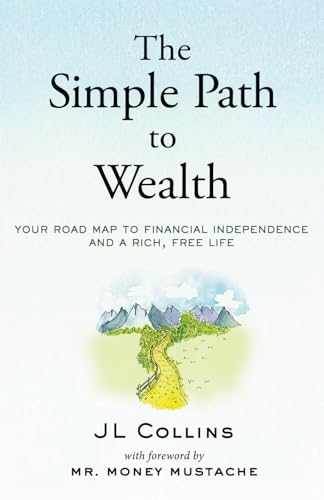
The Simple Path to Wealth
The clearest, friendliest case for low-cost index investing ever written. A modern classic.
These are affiliate links. As an Amazon Associate we earn from qualifying purchases — at no extra cost to you.
More in Investing & Wealth Building
How to Start Investing With Little Money in Your 20s
You don't need $10,000 to start. You need $25, a Roth IRA, and a low-cost index fund. Here's the exact playbook.
The Best Index Funds for Long-Term Retirement Growth
Four funds — total US market, total international, total bond, and an all-in-one target date — cover 95% of real-world portfolios.
Real Estate Investing for Beginners With No Money Down (What's Actually Possible)
House hacking, FHA loans, partners, and REITs — the four legitimate ways to start in real estate without big savings.