Real Estate Investing for Beginners With No Money Down (What's Actually Possible)
House hacking, FHA loans, partners, and REITs — the four legitimate ways to start in real estate without big savings.
'No money down' is the most overhyped phrase in real estate. There are legitimate low-down-payment paths, but every one involves trading something else — your time, your credit, your housing situation, or a piece of the upside. Here are the four that actually work.
House hacking
Buy a 2–4 unit property with an FHA loan (3.5% down) or a conventional 5% loan, live in one unit, rent the others. Your tenants cover most or all of the mortgage. It's the single best entry point in real estate for most people in their 20s and 30s.
FHA and VA loans
FHA: 3.5% down on a primary residence. VA: 0% down for eligible veterans. Neither is 'no cost' — there are closing costs and mortgage insurance — but they're real ways to get into property with a few thousand dollars instead of tens of thousands.
Partners and REITs
Bring deal-finding or property-management skills to an investor with capital. Or, if you don't want to deal with tenants at all, REITs let you own commercial real estate inside a regular brokerage account starting at the price of a single share.
- House hacking is the most realistic 'low down' real estate entry.
- FHA = 3.5% down. VA = 0% for eligible vets.
- REITs are real estate exposure without tenants or toilets.
Go deeper with these
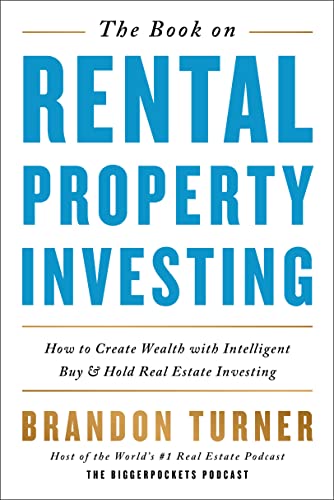
The Book on Rental Property Investing
A complete, practical guide to building wealth and passive income through buy-and-hold real estate.
Set for Life
A young person's playbook for reaching financial freedom within a decade through frugality, income growth, and investing.

Rich Dad Poor Dad
The classic that reframes assets, liabilities, and the difference between working for money and making money work for you.
These are affiliate links. As an Amazon Associate we earn from qualifying purchases — at no extra cost to you.
More in Investing & Wealth Building
How to Start Investing With Little Money in Your 20s
You don't need $10,000 to start. You need $25, a Roth IRA, and a low-cost index fund. Here's the exact playbook.
The Best Index Funds for Long-Term Retirement Growth
Four funds — total US market, total international, total bond, and an all-in-one target date — cover 95% of real-world portfolios.
Best Dividend Stocks for Passive Income Beginners
Why a dividend ETF beats most hand-picked dividend portfolios — and how to build a simple income stream.