Roth IRA vs. Traditional IRA: Which One Should You Open?
The decision comes down to one question: are you in a higher tax bracket now or later?
Both Roth and Traditional IRAs let you invest up to $7,000 per year (2025, under age 50) with massive tax advantages. The difference is when you pay the taxes.
Roth: pay taxes now, withdraw tax-free
Best if you expect to be in a higher tax bracket in retirement (most young earners). You contribute after-tax dollars; everything grows tax-free for life.
Traditional: deduct now, pay taxes later
Best if you're in a high tax bracket today and expect lower income in retirement. You get an immediate tax deduction; withdrawals are taxed as ordinary income.
The simple default for most people
If you're under 35 and not earning a top-tier income, default to Roth. The flexibility (contributions can be withdrawn penalty-free) and decades of tax-free growth almost always win.
- Roth: tax-free later. Traditional: tax-deductible now.
- Most young earners default to Roth.
- High earners in peak years often prefer Traditional.
Go deeper with these
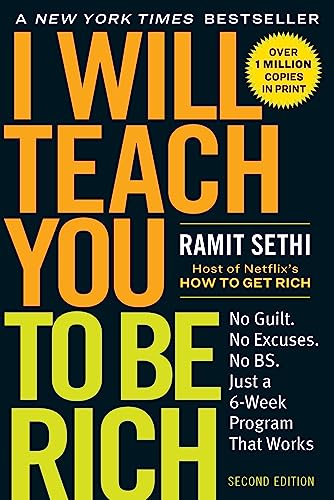
I Will Teach You to Be Rich
A six-week program for automating your finances, investing without anxiety, and spending guilt-free on what you love.

The Bogleheads' Guide to Investing
Straightforward, low-cost, long-term investing wisdom from the followers of Jack Bogle.
These are affiliate links. As an Amazon Associate we earn from qualifying purchases — at no extra cost to you.
More in Investing & Wealth Building
How to Start Investing With Little Money in Your 20s
You don't need $10,000 to start. You need $25, a Roth IRA, and a low-cost index fund. Here's the exact playbook.
The Best Index Funds for Long-Term Retirement Growth
Four funds — total US market, total international, total bond, and an all-in-one target date — cover 95% of real-world portfolios.
Best Dividend Stocks for Passive Income Beginners
Why a dividend ETF beats most hand-picked dividend portfolios — and how to build a simple income stream.