How Much Should You Invest Each Month?
A simple framework based on income, age, and goal — not on what some influencer's portfolio looks like.
The honest answer is 'as much as you sustainably can.' But that's not very useful. Here's a framework that gives you a real target number based on your age, income, and what you're saving for.
The 15% rule of thumb
Most retirement researchers (including Fidelity and T. Rowe Price) recommend investing 15% of gross income toward retirement starting in your 20s. That's the number that gets a typical earner to a comfortable retirement at a normal age.
The catch-up math
Start at 25? 15% works. Start at 35? You'll need closer to 22%. Start at 45? 30%+. Every decade you delay roughly doubles the required savings rate.
FI / early retirement targets
Aiming for financial independence in 10–20 years? Most FI savers target 30–50% savings rates. Aiming for retiring in your 30s? The math typically requires 50%+ for a sustained period.
- 15% of gross income is the standard retirement target.
- Every decade you delay roughly doubles the required rate.
- Early retirement = 30–50% savings rate for years.
Go deeper with these

Financial Freedom
How the 'Millennial Millionaire' went from $2.26 in his account to financial independence in five years.

Set for Life
A young person's playbook for reaching financial freedom within a decade through frugality, income growth, and investing.
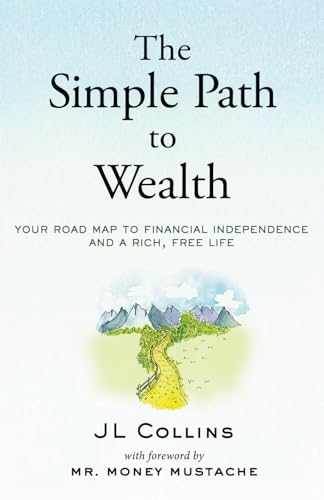
The Simple Path to Wealth
The clearest, friendliest case for low-cost index investing ever written. A modern classic.
These are affiliate links. As an Amazon Associate we earn from qualifying purchases — at no extra cost to you.
More in Investing & Wealth Building
How to Start Investing With Little Money in Your 20s
You don't need $10,000 to start. You need $25, a Roth IRA, and a low-cost index fund. Here's the exact playbook.
The Best Index Funds for Long-Term Retirement Growth
Four funds — total US market, total international, total bond, and an all-in-one target date — cover 95% of real-world portfolios.
Best Dividend Stocks for Passive Income Beginners
Why a dividend ETF beats most hand-picked dividend portfolios — and how to build a simple income stream.