Dollar-Cost Averaging Explained (And Why It Beats 'Waiting for the Dip')
Investing the same amount on the same day every month removes timing from the equation. Here's why it works.
Dollar-cost averaging (DCA) means investing a fixed amount on a fixed schedule, regardless of price. When the market drops, your dollars buy more shares. When it rises, fewer. Over time you get a smoothed-out average price — and you completely sidestep the impossible task of timing the market.
Why timing the market almost never works
Decades of data from S&P, Morningstar, and Vanguard show that missing just the 10 best market days over a 20-year period cuts your returns roughly in half. Those days cluster suspiciously close to the worst ones — meaning anyone trying to dodge crashes typically misses the rebounds too.
The boring system that wins
Pick an amount. Pick a date. Automate the transfer. Buy the same index fund every month, forever. Pair it with rebalancing once a year. That's the entire system.
- DCA replaces 'when to buy' with 'how often.'
- Missing the 10 best days a decade cuts returns in half.
- Automate everything. Boring wins.
Go deeper with these

The Simple Path to Wealth
The clearest, friendliest case for low-cost index investing ever written. A modern classic.
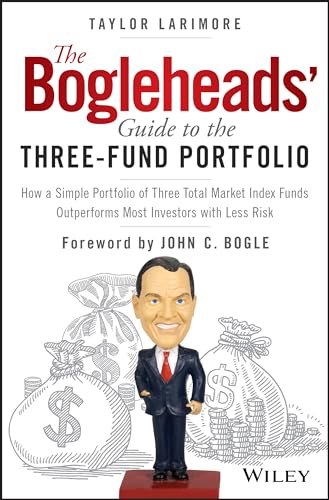
The Bogleheads' Guide to Investing
Straightforward, low-cost, long-term investing wisdom from the followers of Jack Bogle.
These are affiliate links. As an Amazon Associate we earn from qualifying purchases — at no extra cost to you.
More in Investing & Wealth Building
How to Start Investing With Little Money in Your 20s
You don't need $10,000 to start. You need $25, a Roth IRA, and a low-cost index fund. Here's the exact playbook.
The Best Index Funds for Long-Term Retirement Growth
Four funds — total US market, total international, total bond, and an all-in-one target date — cover 95% of real-world portfolios.
Best Dividend Stocks for Passive Income Beginners
Why a dividend ETF beats most hand-picked dividend portfolios — and how to build a simple income stream.