Lifestyle Inflation: The Quiet Wealth Killer
Every raise quietly evaporates into a slightly nicer life unless you decide otherwise — in advance.
Lifestyle inflation (or 'lifestyle creep') is the gradual rise in spending that follows every raise. It feels invisible because it happens slowly — a slightly nicer apartment, a slightly bigger car, slightly better restaurants. The cumulative effect is enormous.
The 50% raise rule
When you get a raise, immediately direct 50% of the increase to savings or debt payoff before it touches your spending pattern. The other 50% becomes available for life upgrades. You enjoy progress and accelerate freedom simultaneously.
Why it sneaks in
Most lifestyle inflation isn't from big purchases. It's small recurring upgrades: switching to a premium coffee subscription, a slightly fancier gym, more frequent travel. Each one is fine in isolation; together they consume the raise.
- Direct 50% of every raise to savings before you feel it.
- Lifestyle creep hides in recurring upgrades, not big purchases.
- Without a rule, the raise disappears every time.
Go deeper with these
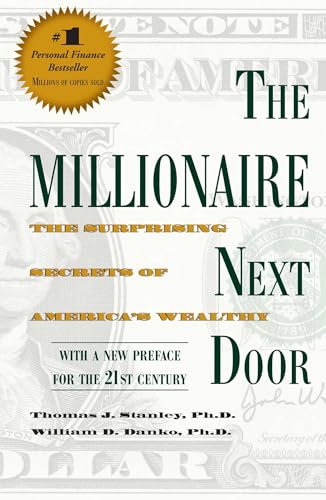
The Millionaire Next Door
The surprising habits of America's wealthy — most of whom drive used cars and live well below their means.
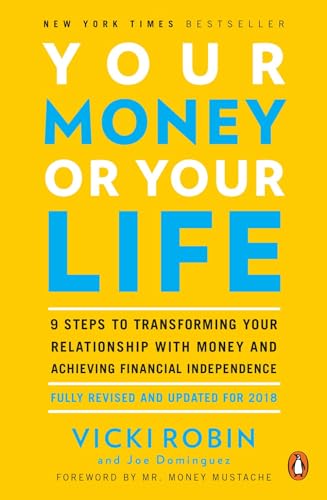
Your Money or Your Life
The original financial-independence manifesto. Calculate your real hourly wage and align spending with what actually matters.
Set for Life
A young person's playbook for reaching financial freedom within a decade through frugality, income growth, and investing.
These are affiliate links. As an Amazon Associate we earn from qualifying purchases — at no extra cost to you.
More in Money Mindset & Psychology
How to Develop a Millionaire Money Mindset
Wealth isn't a number. It's a set of habits, beliefs, and time horizons. Here are the eight that actually correlate with becoming wealthy.
Best Books About the Psychology of Money
Six books that change how you think about wealth, risk, envy, and time. Read in any order.
How to Overcome the Fear of Investing in the Stock Market
Most investing fear comes from three specific misunderstandings. Fix those, and the fear largely dissolves.